

Xi Got the Stage. Putin Got Legitimacy. America Got Nothing.Trump’s photo op was another strategic defeat for the United States.
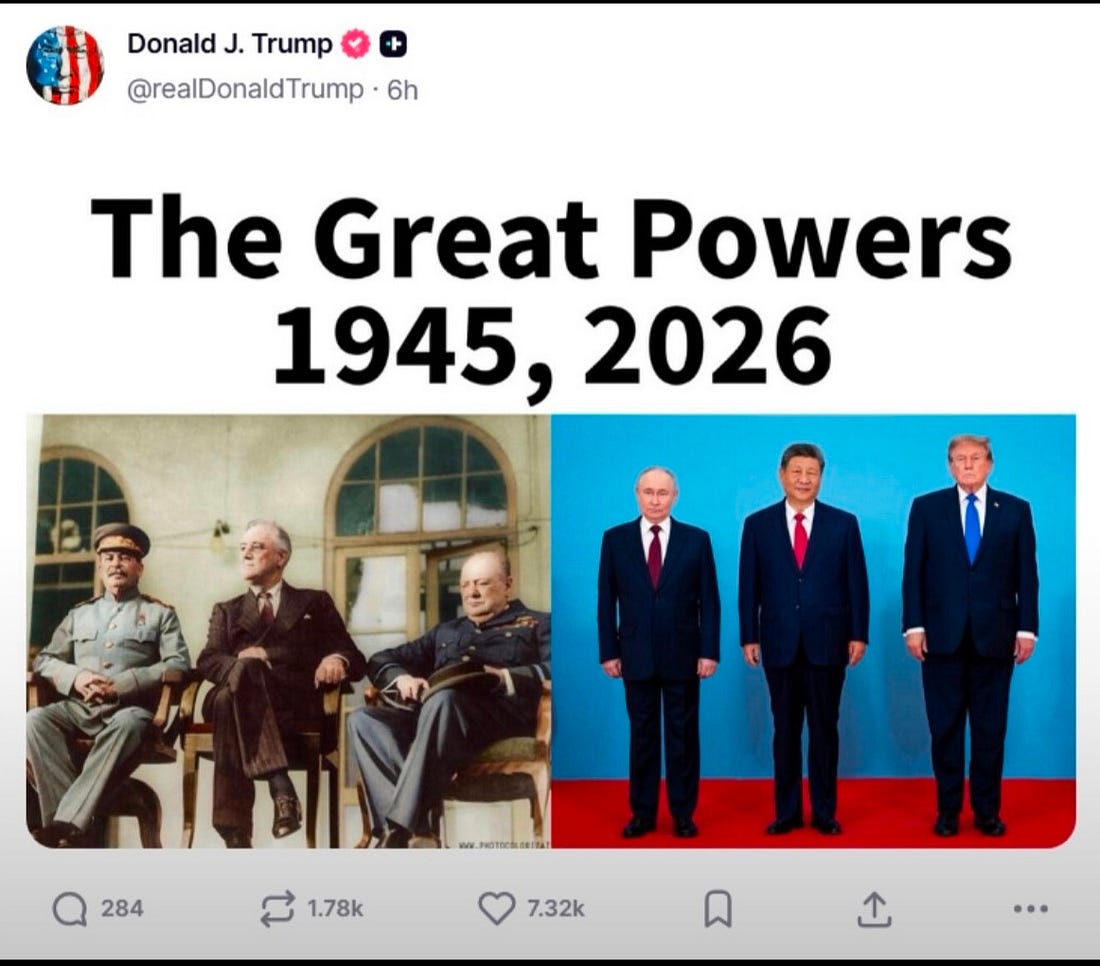
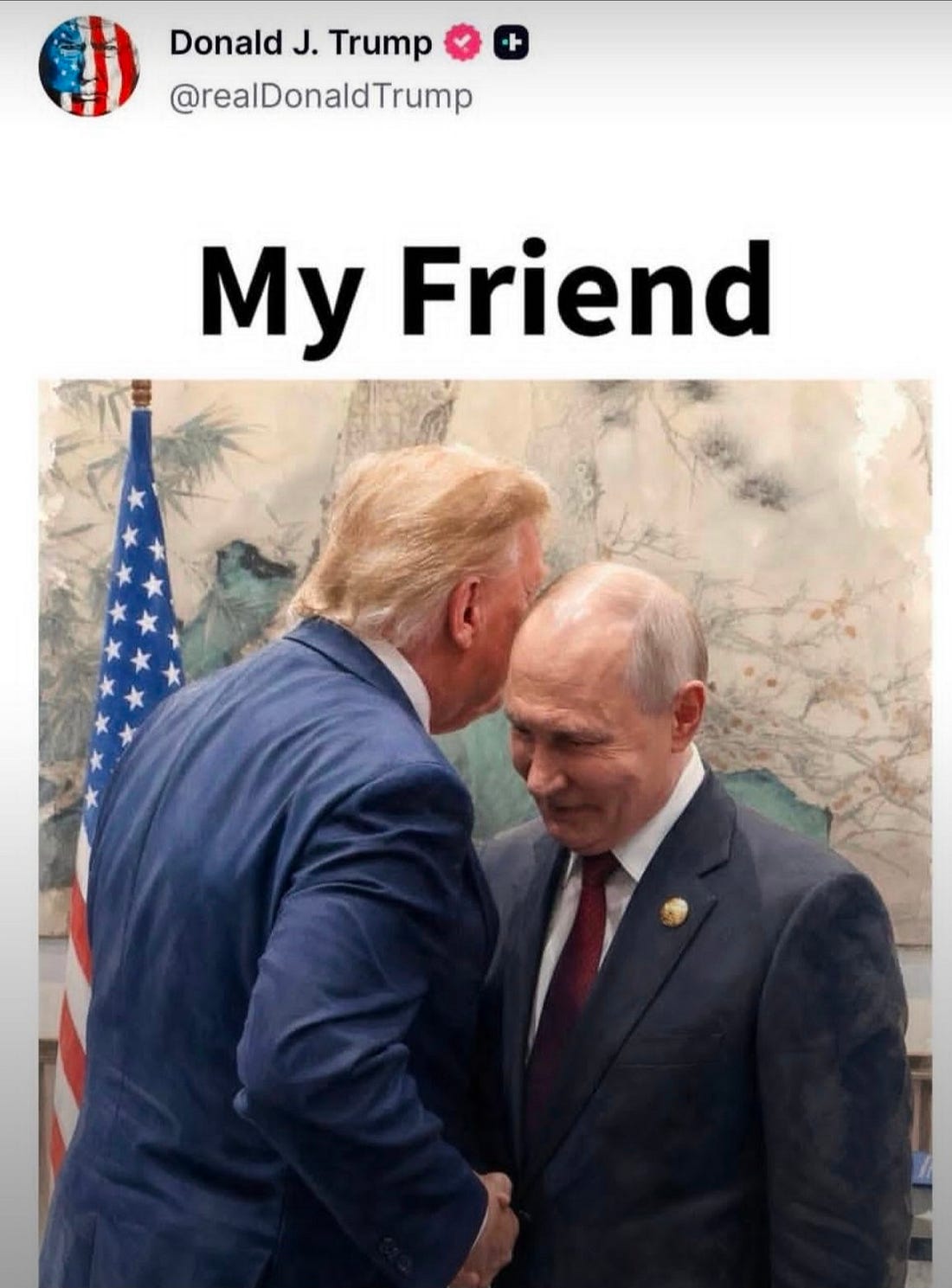
After President Trump’s summit with Xi Jinping and Vladimir Putin, the White House posted a photograph of the three leaders together with the words: “Peace Through Strength.” What strength? Over the weekend, Trump made the weakness even more obvious. He posted a photograph of himself leaning toward Putin with the caption “My Friend.” He also shared a comparison between the 1945 Yalta Conference and his summit in China, labeling the two groups “The Great Powers 1945, 2026.”
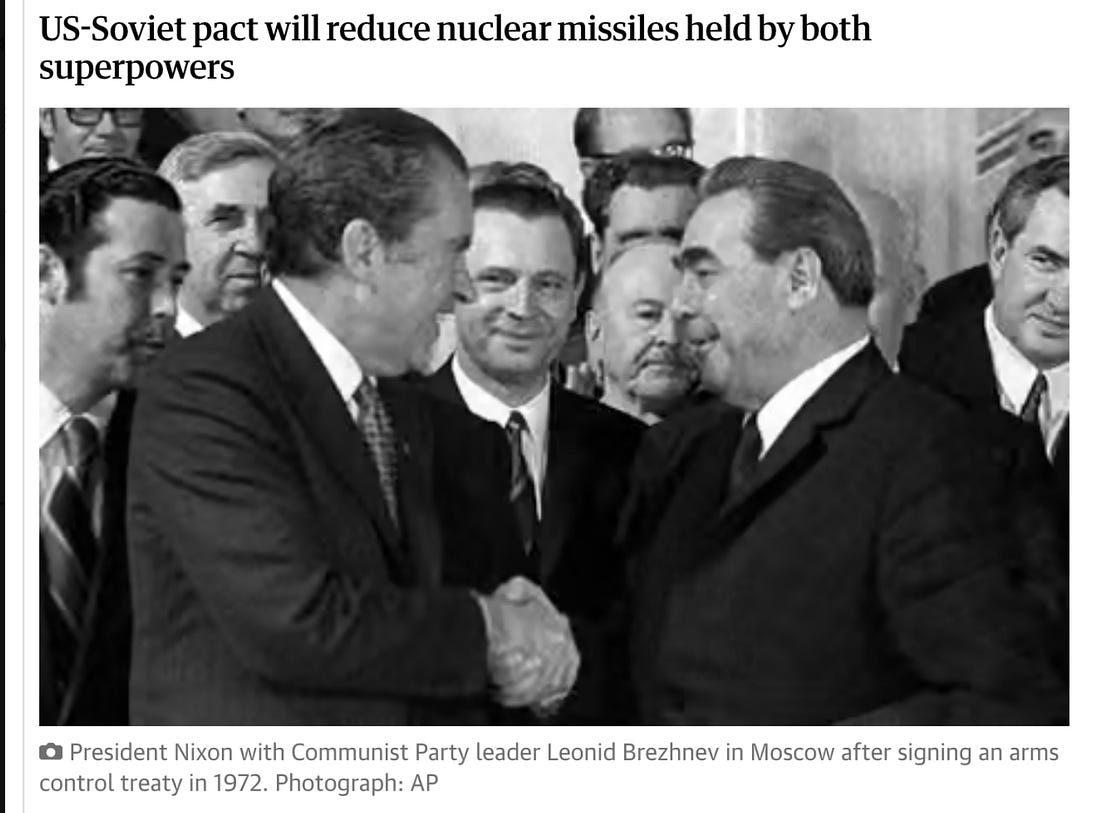
Think about what Trump chose to celebrate. He publicly praised the man responsible for the largest war in Europe since World War II and elevated Russia—a country that is not America’s economic, military or alliance equal—to the status of a great power alongside the United States. At the same time, he helped Xi present China as the center of a new world order. And what did Trump—or America—receive for all that praise and flattery? No ceasefire in Ukraine. No commitment from Russia or China to stop helping Iran. No meaningful nuclear-arms agreement. No significant concession on North Korea or advanced technology. Trump gave Xi the stage and Putin the legitimacy they wanted. In return, they gave him photographs he could post on social media. This was not peace through strength. It was flattery without leverage and pageantry without results. Strip away the photographs, the handshakes and the praise, and ask the only question that matters: What did America get? The answer appears to be nothing. In fact, this summit was a net strategic loss for the United States. Here are five reasons why. 1. The photographs were exactly what Xi wantedXi hosted the meeting. He stood between Trump and Putin. China got to present itself as the responsible broker among three supposedly equal powers. That image was enormously valuable to Beijing. Xi wants the world to believe that the American-led international order is fading and that China now sits at the center of whatever comes next. This summit helped him tell that story. China did not have to change its conduct to receive that prize. There was no announced Chinese commitment to stop purchasing Iranian oil, supporting Russia’s war effort or pursuing access to sensitive American technology. Xi supplied the stage. Trump supplied the legitimacy. 2. Trump elevated Putin without receiving a single meaningful concessionPutin started the largest war in Europe since World War II. His forces continue to attack Ukrainian cities and kill innocent people. His government has also reportedly assisted Iran with intelligence related to American military targets. Yet Trump embraced him and praised their relationship. His subsequent “My Friend” post made clear that this was not simply diplomatic protocol. It was the relationship he wanted Americans—and the world—to see him celebrating. What did Putin surrender in return? He did not agree to a ceasefire. He did not withdraw from Ukraine. He did not stop helping Iran. He did not make a meaningful nuclear concession. What he received was something he desperately wanted: a place beside the presidents of the United States and China, looking like the leader of a superpower rather than an isolated aggressor. Russia is not America’s equal. Its economy, alliances and global influence do not place it on the same level as the United States. But Trump helped Putin pretend otherwise—and then promoted that fiction himself. 3. Trump squandered American leverage while Americans are fighting IranThis may be the most infuriating part. The United States is at war with Iran. Russia has reportedly assisted Iran’s war effort, including by providing intelligence concerning American forces. China has helped sustain Iran economically through oil purchases, while Chinese entities have reportedly provided material support, including satellite imagery that could help Iran target U.S. forces. (Congressional Research Service) If Trump was going to sit down with Putin and Xi, stopping that assistance should have been among his highest priorities. Instead, the summit produced no announced agreement requiring either country to stop helping Iran. American service members are flying missions, standing watches and living under the threat of attack while their commander in chief celebrates his friendship with the leaders of governments assisting the other side. That is more than diplomatically embarrassing. It is a slap in the face to the troops. Trump has repeatedly told Americans that his personal relationships with authoritarian leaders give him unique influence. Fine. This was his opportunity to demonstrate it. Where was the influence? Where was the demand that Russia stop helping Iran target Americans? Where was the demand that China stop providing Tehran an economic and technological lifeline? What did these supposed friendships produce for the Americans fighting this war? Nothing we can see. 4. Trump sidelined Ukraine and America’s actual alliesUkraine was not at the table. European leaders were not at the table. Putin was. That arrangement alone tells us something about Trump’s priorities. He granted the aggressor the prestige of a summit while excluding the country fighting the invasion and the allies sustaining its defense. The meeting produced no ceasefire and no Russian concession. It did, however, give Putin another opportunity to encourage Trump to turn against Ukraine and Europe. Xi and Putin want to weaken the alliances that multiply American power. Those alliances are among our greatest strategic advantages. Russia and China cannot easily reproduce them, so they try to divide them. An American president should not help them do it. Putin should not be allowed to use a summit with an American president to portray himself as a reasonable statesman while Ukrainians are excluded from discussions about their own country’s survival. 5. The “peace declaration” avoided the wars that matterThe summit concluded with a four-point “Declaration toward Peace.” It addressed broad subjects such as reforming the United Nations, increasing oil supplies, reducing nuclear risk and opposing what the leaders described as abuses of the International Criminal Court. It did not contain a plan to end Russia’s war in Ukraine. It did not produce an agreement concerning the war with Iran. It established no concrete nuclear reductions, enforcement provisions or timetable for negotiations. It did nothing meaningful about North Korea. (White House declaration, Associated Press) A “Declaration toward Peace” that avoids the wars these governments are actually involved in is not a diplomatic achievement. It is a press release. We have seen this performance beforeIn Helsinki in 2018, Trump stood beside Vladimir Putin, questioned the judgment of his own intelligence agencies and gave the Russian leader the international legitimacy he wanted. That summit produced no meaningful agreement and no clear Russian concession. Trump’s performance was widely viewed as a victory for Putin because the Russian leader received recognition and stature without giving America anything comparable in return. (PBS NewsHour) Eight years later, Trump repeated the performance in China—this time allowing Xi to preside over the spectacle while Putin was once again treated as America’s equal. Helsinki elevated one adversary for nothing. Shenzhen elevated two. The problem is not that an American president met with adversaries. Presidents sometimes must negotiate with hostile governments, including during wartime. President Nixon met Soviet leader Leonid Brezhnev in Moscow in 1972 while Soviet weapons were being used by North Vietnam against Americans and our allies. Nixon even used cordial language about his Soviet hosts. But Nixon also confronted Soviet leaders about Vietnam and their responsibility for arming North Vietnam. He was prepared to risk the summit rather than restrain America’s military response. And he returned with major agreements, including the Anti-Ballistic Missile Treaty and an interim agreement limiting strategic offensive weapons. (State Department historical record)
That is diplomacy: engage an adversary, use American leverage and bring home something that advances the national interest. Trump delivered the engagement, the compliments and the legitimacy. He forgot the leverage—and came home empty-handed. America got nothingThe White House called the summit “Peace Through Strength.” But strength would have meant using the meeting to demand that Russia stop helping Iran target American forces. Strength would have meant requiring concessions from Putin before restoring his standing on the world stage. Strength would have meant standing with Ukraine and our European allies, protecting American technology and forcing Xi to answer for China’s support of our adversaries. Trump did none of that. Xi received the image of China at the center of the world. Putin received legitimacy and a place beside the American president. Trump received photographs for his social-media feed. America received no ceasefire. No commitment to stop helping Iran. No arms-control agreement. No protection for our technology. No strengthened alliance. No discernible strategic gain. This was not appeasement through a bad deal. It was American humiliation without a deal. A note for new readers: I spent 20 years as a Marine Corps officer, flew 89 combat missions in Iraq and Afghanistan, and later taught at the United States Naval Academy. I use this space to write plainly about national security, military affairs, leadership and the decisions we ask our service members to carry out. Welcome—I’m glad you’re here. Amy McGrath is free today. But if you enjoyed this post, you can tell Amy McGrath that their writing is valuable by pledging a future subscription. You won't be charged unless they enable payments.
|







No comments:
Post a Comment