

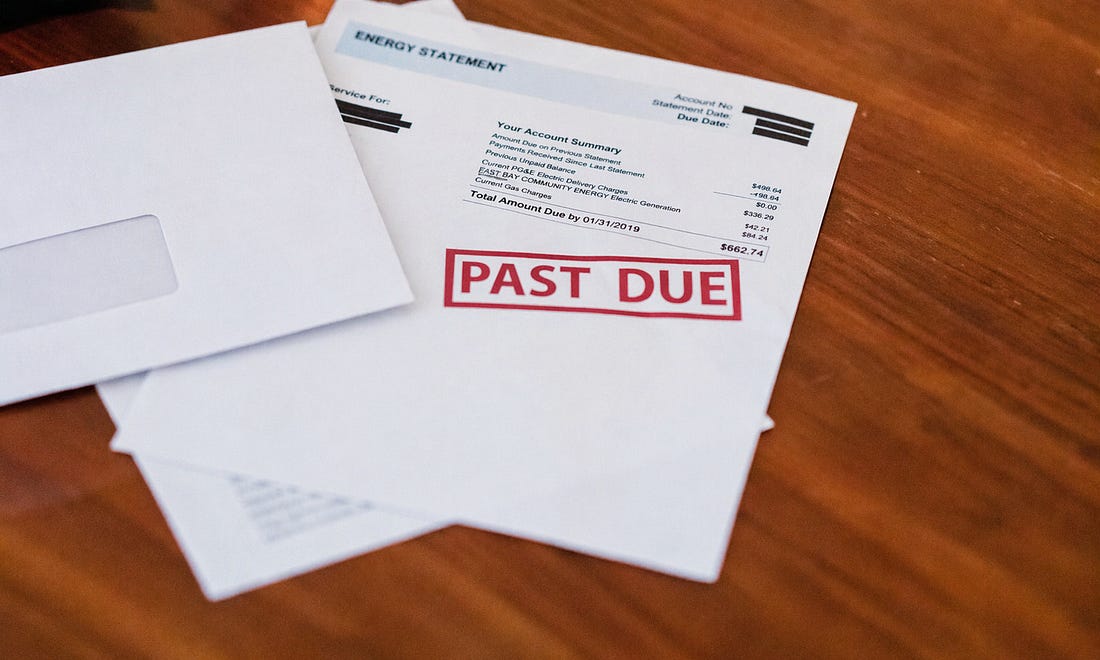
Growing up, my mom and I lived with my grandparents. My grandfather paved roads, and my grandmother picked cotton. Neither of them had more than an eighth grade education. One of my chores around the house was helping them read their bills. I didn’t always understand the words I was reading, but the looks on their faces told me everything I needed to know: we couldn’t afford it. They worked harder than anyone I’ve ever known, and we barely got by. But we made it work. Every month, more and more families around the country find themselves in a similar situation. They keep asking themselves the same question: how did it get this high? Electricity, gas, groceries, rent—it all adds up in ways that feel random and out of reach. And they don’t have any idea why. Most people don’t track policy decisions or regulatory fights. They just feel the result. If we ask questions of the people in power, we get the same story about prices going up and markets shifting. We have to accept it because that’s just how the world works. That explanation is convenient, but it’s incomplete.
How This Really WorksRep. Sean Casten of Illinois spent years in the energy business before coming to Congress. On this week’s episode of At Our Table, he made sense of it for us. He said higher costs don’t just happen. They are shaped by decisions about what we build, what we block, and who we protect. That idea reframes the conversation. Instead of asking why life is so expensive, we should ask who made it that way. You can see it playing out in real time. Decisions that slow down cheaper energy are defended in the name of something else—and then we’re told rising costs are out of anyone’s control. Once you look at it from that angle, a pattern emerges. You see that scarcity is the result of choices but presented as beyond anyone’s control. Energy is a clear example, but the logic shows up everywhere. Cheaper or more efficient options are treated as a threat to the existing system instead of an improvement. So they get delayed, restricted, or buried under process. The result is higher costs that are later described as inevitable. Rep. Casten shared a story that captures the dynamic. A project using long-established technology could generate electricity at lower cost. It worked, but connecting it to the grid took years of resistance because it challenged the business model of the current provider. The barrier was not physics. It was permission. That is how scarcity gets invented. It requires a system that gives some players the ability to slow down change and protect their position. Over time, those decisions add up. The cheaper option arrives late or not at all. Someone is making money off that, and it’s not you. The Burden Doesn’t Fall EvenlyMy grandparents both worked with their hands. I grew up surrounded by working folks like them. Their jobs were never glamorous, but they were steady. And when things got tight, people worked harder and found a way through. Over time, that kind of work started to disappear. Not all at once—but just enough. Year after year, things felt a little more uncertain than they used to. But when that uncertainty happened, nobody came in and said, “We’re going to rebuild this.” What people like my grandparents heard instead was some version of the same line: “This is just how it works. You’ve got to adapt.” The thing is that working people have heard that many times before, so we know what “adapt” really means. We’ve been promised new investment, new industries, and a transition to replace what was lost. Sometimes it shows up. A lot of times it doesn’t. So when the next version of that promise comes along, it doesn’t land the same way. But that same “this is just how it works” argument disappears when more powerful people are on the losing end. When cheaper options threaten the status quo, things slow down. Projects that should move get stuck. Rules start to change. Suddenly there’s a long conversation about stability and reliability. Not because the system can’t handle change—but because some people don’t want to “adapt.” That’s the difference. In one place, people are told to adjust. In another, the system adjusts for them. And when you’ve lived through that first version—when you’ve watched work disappear and promises fall through—you don’t have much patience left for explanations. You start to assume the next one won’t be any different. For a lot of people, that’s where they are right now. They’re not reading policy reports. They’re looking at their bills and making choices: what to cut, what to put off, and what can wait another month. After a while, that does something to how you see things. You start to believe this is just how it is. That’s the real cost. Ask Better Questions and Don’t Let Them GoThe next time your bill jumps, don’t just shrug it off. Ask what decision led to that number—and who made it. Then keep asking. Look at what’s getting built in your state and what keeps getting blocked. Watch who shows up to defend those decisions. And when they turn around and talk about affordability, don’t take the line at face value. Press them on it. Because this doesn’t change until people start treating these decisions like they matter. These decisions are made by people. They can be challenged. They can be changed. But not if everyone accepts the outcome and moves on. You’re currently a free subscriber to Jaime’s Table. For the full experience, upgrade your subscription.
|




No comments:
Post a Comment